
 Cart
Cart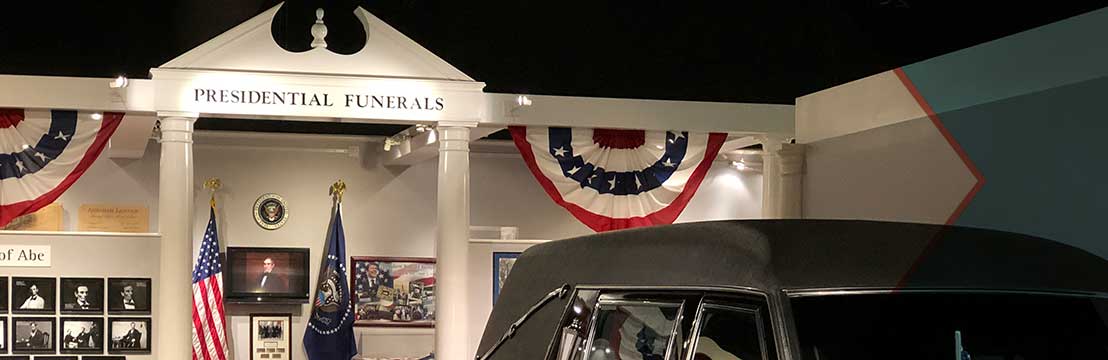


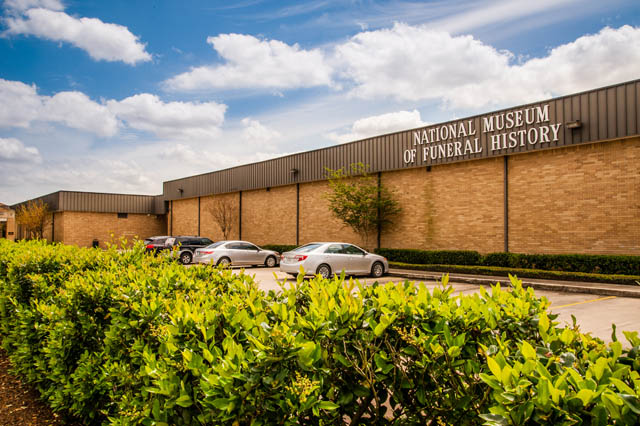
National Museum of Funeral History
415 Barren Springs DriveHouston, TX 77090
contact@nmfh.org
281-876-3063
www.nmfh.org
National Museum of Funeral History in Houston
Capturing the attention of history buffs, science junkies and classic car fanatics to art lovers, pop culture enthusiasts and political aficionados – this fascinating destination has something for everyone.
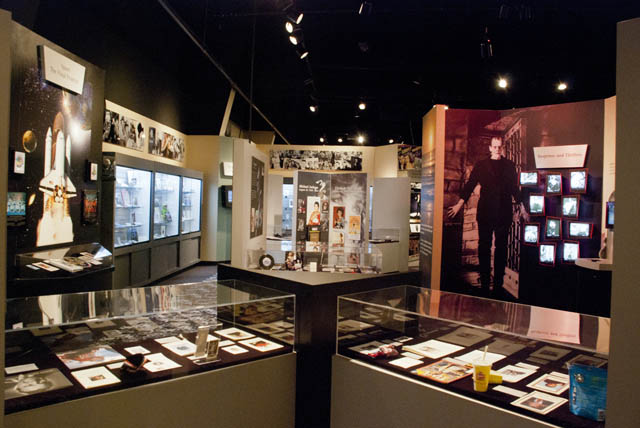
Since 1992, the National Museum of Funeral History has been an educational and historical experience like no other featuring artifacts from man's oldest profession. Tour 30,500 square feet of exhibit space with the largest display of funeral service memorabilia, rich in history and science. With 19 permanent exhibits covering the world's funeral cultures from ancient Egypt to modern times, it's the place to go when you're dying to do something different in Houston.
Permanent exhibits include:
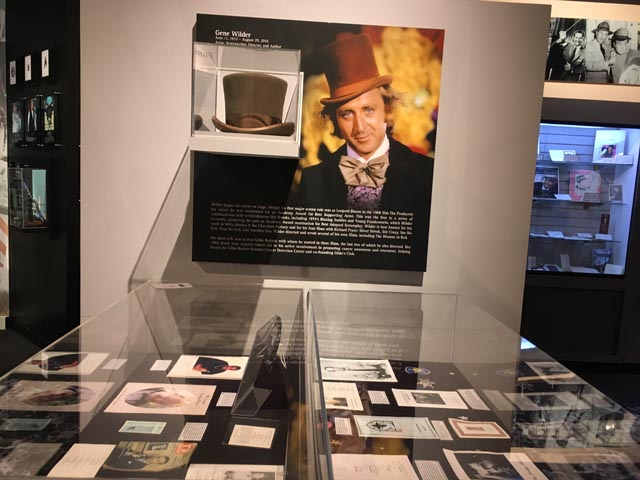 Thanks for the Memories
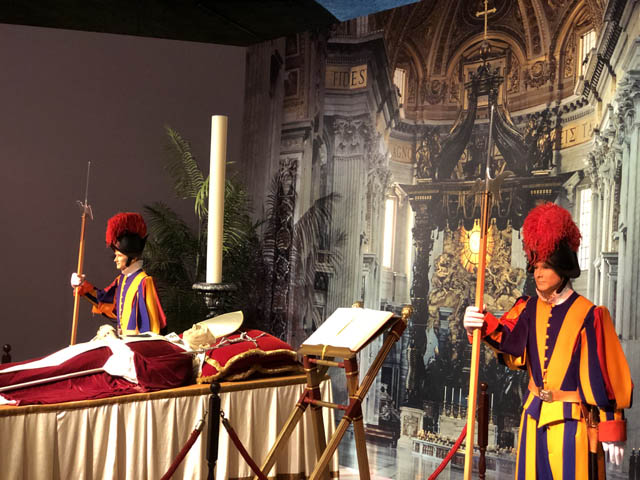
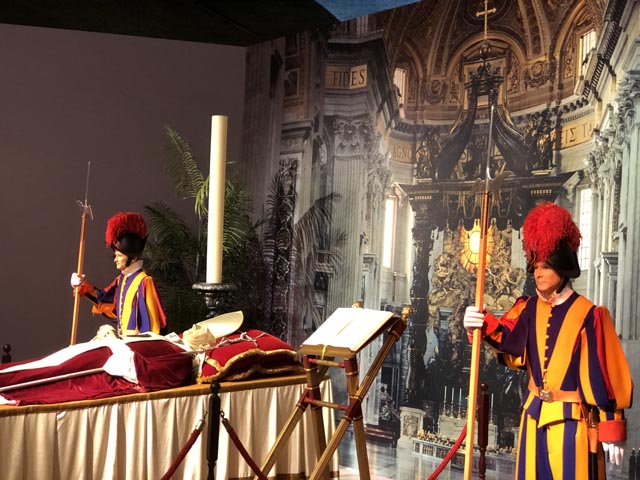 Celebrating the Lives and Deaths of the Popes
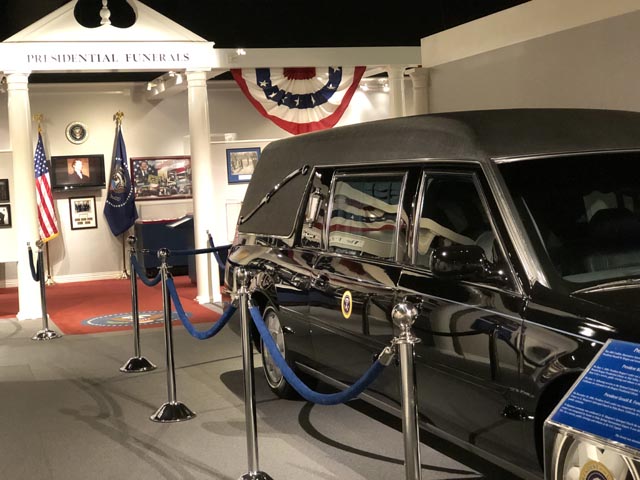
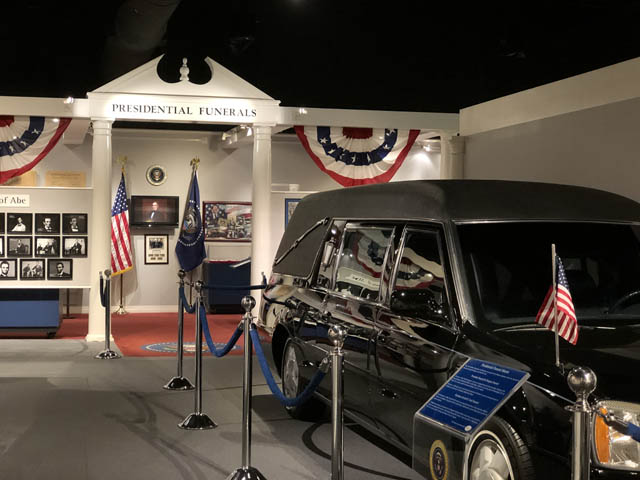
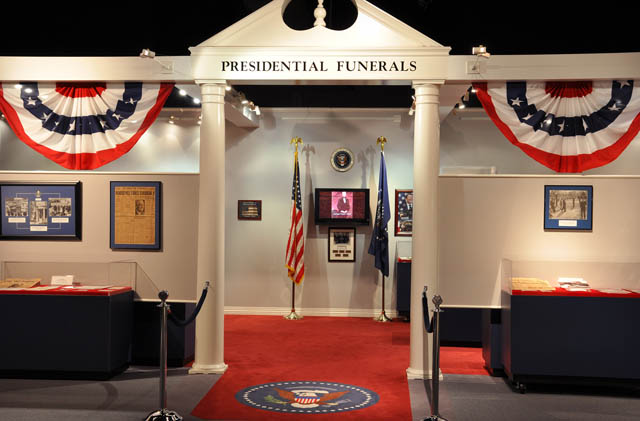
Presidential Funerals
The Most Famous Burial of All Time: The Shroud of Turin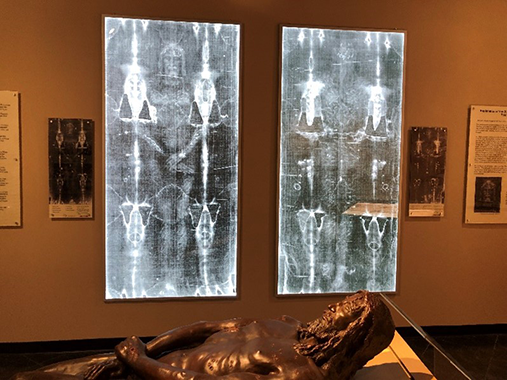
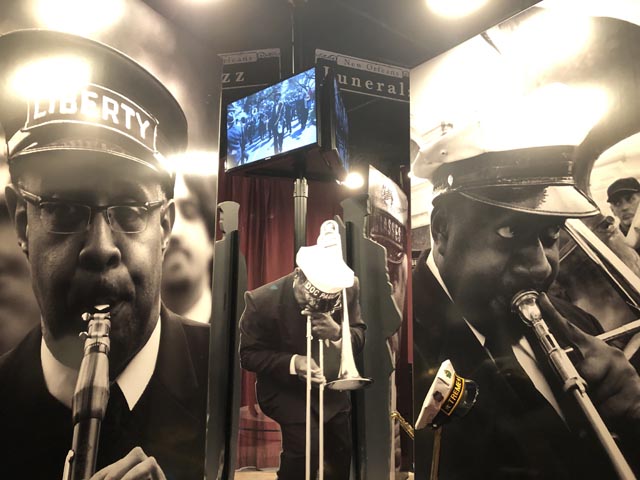
Jazz Funerals of New Orleans
This engaging exhibit explores the history and evolution of the jazz funeral, a unique funeral procession that combines music, remembrance, and celebration of life. Tracing its roots from the late 1800s to the present day, the exhibit highlights how this cherished tradition became an important part of New Orleans culture, particularly within the city's African American community.
Visitors will learn about the rich blend of influences that helped shape New Orleans, including French, Spanish, British, and West African traditions that came together to create the city's vibrant cultural identity. Through historical displays, artifacts, and interpretive exhibits, guests gain a deeper understanding of the role music plays in honoring loved ones and bringing communities together during times of loss. The exhibit offers a fascinating look at how jazz funerals continue to serve as a powerful expression of remembrance, heritage, and celebration in one of America's most culturally rich cities.
George H.W. Bush Memorial Exhibit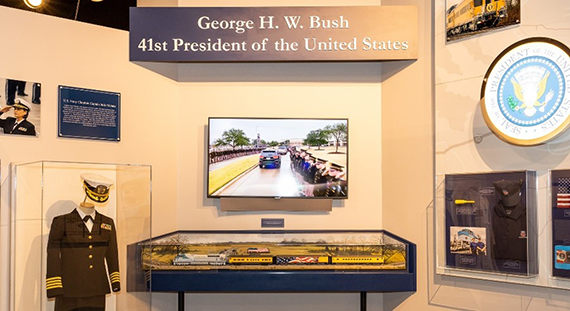
This thoughtful exhibit explores the lives of President George H.W. Bush and First Lady Barbara Bush, highlighting their decades of public service, leadership, and dedication to their country and community. Visitors can also gain insight into the ceremonies and traditions that marked their funerals, including the widely recognized journey of the historic 4141 funeral train, named after President Bush's service as the 41st President of the United States.
The exhibit features a variety of commemorative items, including memorial folders, tribute cards, and other artifacts from services held in Washington, D.C., Houston, and elsewhere. Through these personal and historical pieces, guests can explore how the nation came together to honor the Bushes' enduring legacy and reflect on the significance of presidential remembrance in American history.
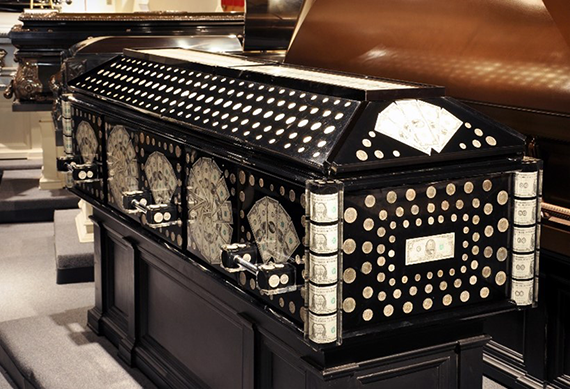 Coffins and Caskets of the Past
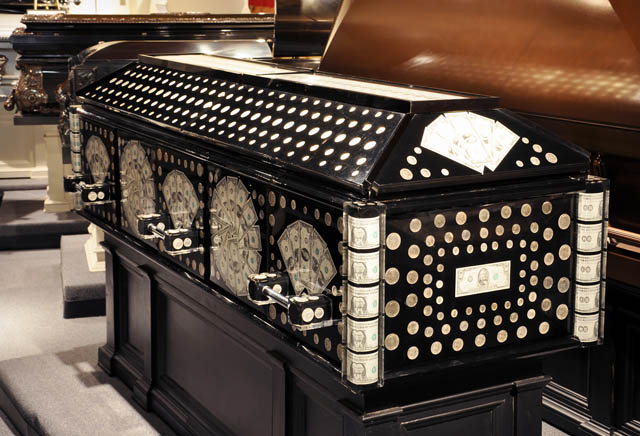
Visitors will learn the difference between a coffin and a casket while exploring a remarkable collection of burial containers from around the world and throughout history. The exhibit showcases a variety of designs, materials, and styles, highlighting how different cultures and time periods have approached remembrance and burial traditions.
From ornate and artistic creations to unusual and one-of-a-kind designs, the collection features some of the most unique containers ever made to hold the dead — including a casket decorated with money and one built for a family of three. Through these intriguing displays, guests gain insight into the cultural, historical, and personal significance of the final resting places chosen to commemorate a life. The exhibit offers a thought-provoking look at how burial practices have evolved while reflecting the customs, beliefs, and creativity of the societies that created them.
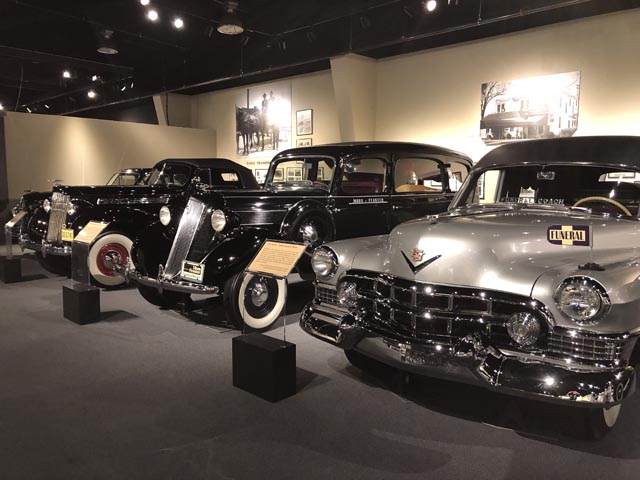 Historical Hearses
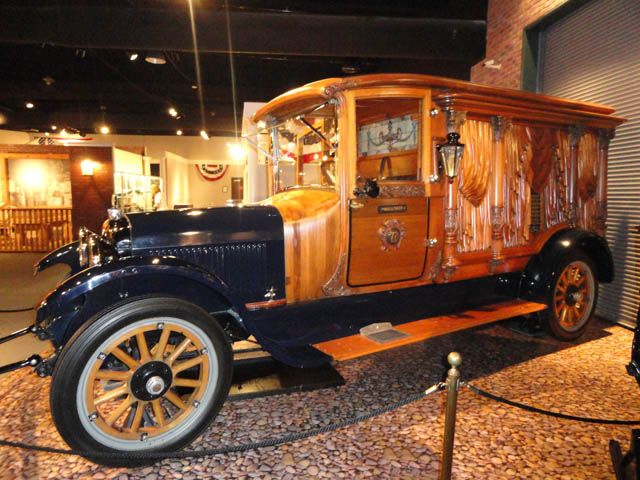
This impressive collection showcases rare funeral service vehicles that illustrate how funerary customs and traditions have evolved over time. From elegant horse-drawn carriages of the 19th century to specially designed modern hearses, the exhibit highlights the important role these vehicles have played in honoring the deceased and serving families during times of remembrance.
Visitors can view a variety of unique and historically significant hearses, including those associated with the funeral services of notable public figures. Among the exhibit's highlights are the actual hearses used during the funeral of Grace Kelly and the state funeral services of U.S. Presidents Ronald Reagan and Gerald R. Ford. Through these remarkable vehicles and their stories, guests gain a deeper appreciation for the craftsmanship, history, and ceremonial traditions that have shaped funeral processions across generations.
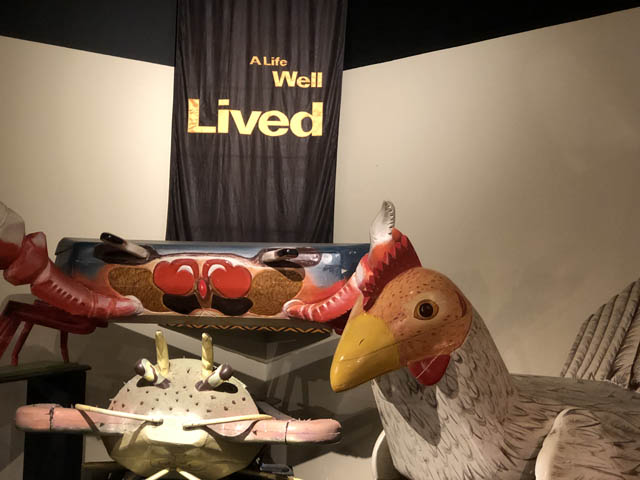
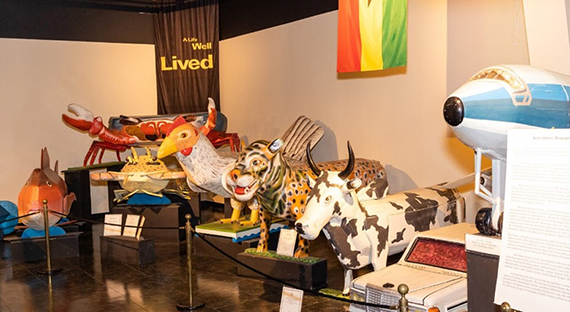 A Life Well Lived: Fantasy Coffins from Ghana
This unique collection — the largest of its kind outside of West Africa — showcases beautifully crafted coffins that reflect the creativity, beliefs, and cultural traditions of the people who commission them. Far more than simple burial containers, these remarkable works of art are designed to celebrate an individual's life, personality, accomplishments, and aspirations.
Each coffin is uniquely sculpted to represent an aspect of the deceased, whether it is a profession, a personal passion, a character trait, a symbol of status within the community, or even hopes for the afterlife. Through these colorful and imaginative creations, visitors gain insight into the rich cultural customs of Ghana and the ways different societies honor and remember their loved ones. The exhibit offers a fascinating look at how art, storytelling, and remembrance come together to create meaningful tributes that celebrate a life well lived.
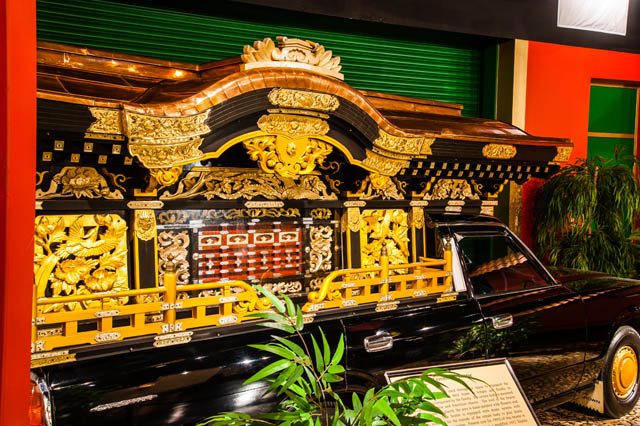
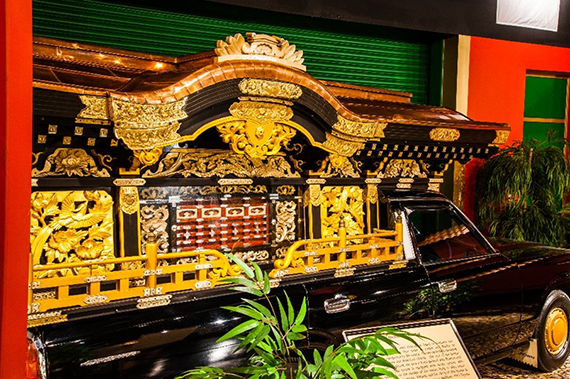 Japanese Funerals
Explore the rich traditions and ceremonies surrounding remembrance in Japan through the museum's Japanese Funerals exhibit. This fascinating exhibit offers visitors a rare opportunity to learn about the customs, beliefs, and practices that have shaped funeral and memorial traditions in Japanese culture for generations — among the most elaborate and expensive in the world. Known for their elaborate rituals and deep cultural significance, Japanese memorial ceremonies reflect a profound respect for family, ancestry, and the remembrance of loved ones.
Through informative displays and cultural artifacts, guests can gain insight into the many traditions associated with honoring the deceased, from funeral services and memorial observances to the customs that continue long after a loved one's passing. The exhibit highlights the importance of ceremony, symbolism, and community within Japanese funeral practices while exploring how these traditions have evolved over time. Providing a unique window into a culture often unfamiliar to Western audiences, the exhibit offers a thoughtful and educational look at one of the world's most distinctive approaches to remembrance and memorialization.
Other Exhibits at the National Museum of Funeral History:
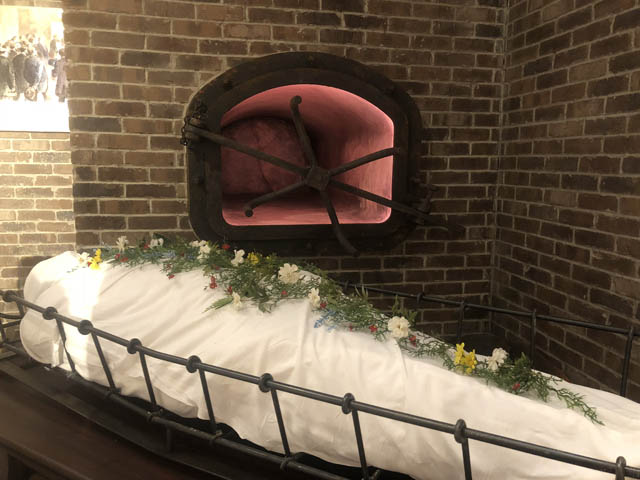
The History of Cremation — the funeral industry has a challenge on its hands: consumers are choosing cremation, but know little about it. They don't know the process, the possibilities for memorialization, and they don't understand cremation's history. That's why The History of Cremation exhibit is so important.
History of Mourning Photography — this exhibit explores the history of the inventors in the 1800s of different types of postmortem photographs and attitudes toward death, displaying many original photographs as well as copies to show examples of the genre.
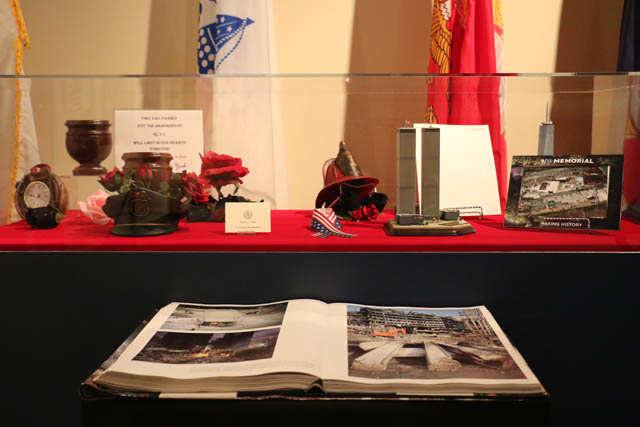
9/11 and Fallen Heroes Tribute — this exhibit memorializes the men and women who lost their lives in this terrible event and pays tribute to the first responders who bravely served on that fateful September day.
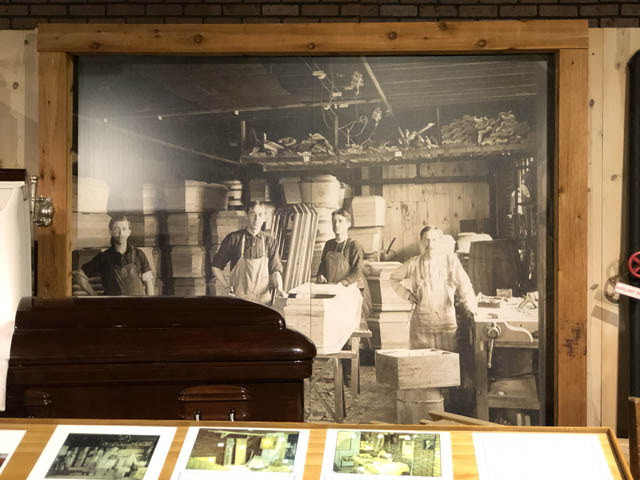
Marsellus Casket Company — founded in 1872 and regarded as the "Rolls Royce of caskets," Marsellus Casket Company has a long history of making fine wood caskets, including ones for notables such as Presidents Kennedy, Nixon, Truman and Reagan, Governor Nelson Rockefeller, and sports legends Vince Lombardi and Mickey Mantle.
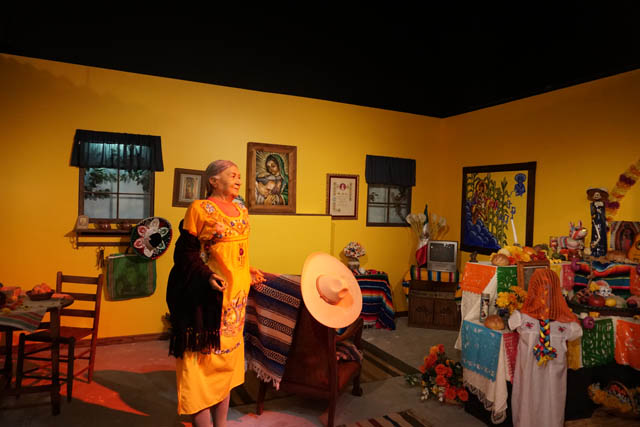
Day of the Dead/Dia de los Muertos explores the exquisite artistry and touching tributes of this religious celebration honoring the souls of the departed, which is practiced by Meso-American cultures.
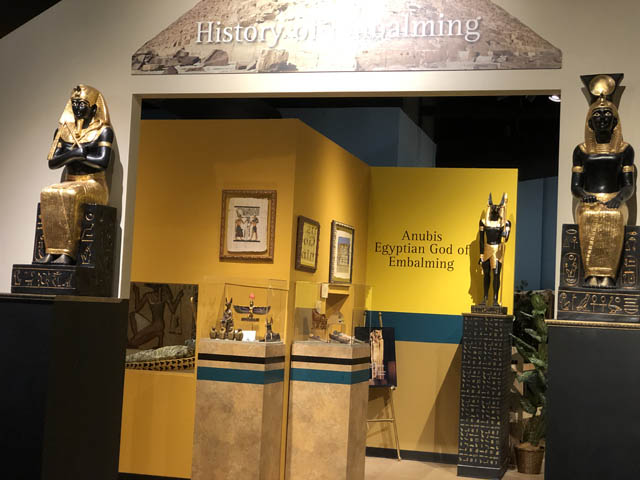
History of Embalming tracks the methods of preserving human remains through the centuries, from the Ancient Egyptians who developed embalming more than 5,000 years ago to the utter necessity of preserving bodies during the Civil War.
19th Century Mourning — visitors can see authentic mourning clothing for women and children and testaments to the strict rules for widows of that era.
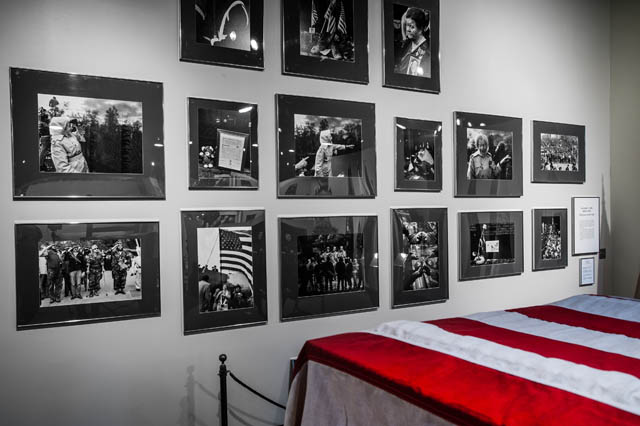
Reflections on the Wall presents a series of images from the dedication of The Vietnam Veterans Memorial. This collection captures the significance of that day in American history.
Patent Models — the U.S. Patent Office has a long history, created January 2, 1775, in Washington, D.C.; this exhibit explores that history through funeral-industry patent models.


Houston, TX 77090
281-876-3063
www.nmfh.org